Nonprofit Content Strategy Template for Small Teams
For many small nonprofits, content often happens in survival mode.
A social post goes out when someone has time.
An email gets written right before a campaign.
Stories are shared when they happen to be available.
And while that may keep things moving, it often does not create sustainable growth.
That is where a simple content strategy can help.
A strong nonprofit content strategy gives small teams a repeatable system for planning content that supports donor engagement, fundraising, and mission visibility—without adding unnecessary complexity.
And the good news is, it does not need to be complicated.
This guide includes a simple content strategy template small nonprofit teams can use and adapt this year.
Why Nonprofits Need a Content Strategy
Content is often one of the biggest drivers of visibility and trust.
It supports:
Donor engagement
Community awareness
Fundraising campaigns
Search visibility
Mission storytelling
But content without strategy can become scattered.
A simple strategy creates alignment.
And often saves time.
For small teams, that matters.
What a Nonprofit Content Strategy Should Do
A strong content strategy should help your organization:
Communicate your mission clearly
Support fundraising goals
Build donor trust
Create consistent messaging
Make content easier to plan
At its core, content strategy should make marketing feel simpler.
Not harder.
A Simple Nonprofit Content Strategy Template
Use this five-part framework as a practical starting point.
1. Define Your Content Goals
Start with what content should help accomplish.
Examples:
Increase donor engagement
Grow email subscribers
Support fundraising campaigns
Increase website traffic
Build awareness around your mission
Tie content to real goals.
That keeps strategy focused.
This also strengthens your broader nonprofit marketing plan.
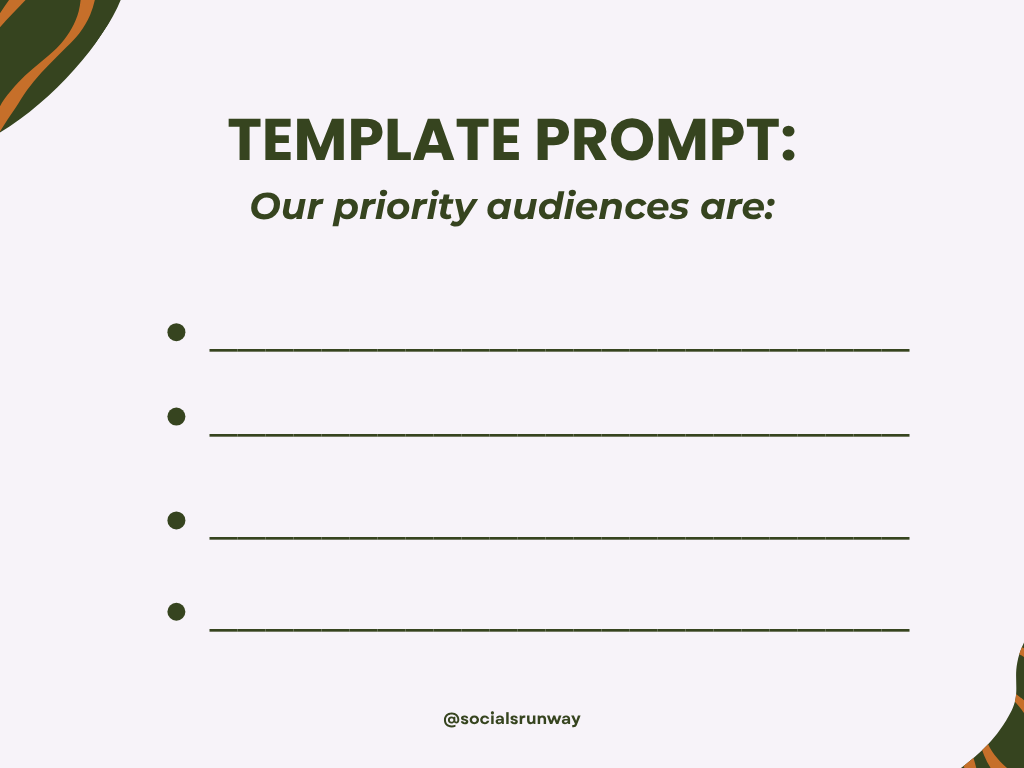
2. Define Your Audience
Who is your content for?
Most nonprofits have multiple audiences.
Examples:
Donors
Volunteers
Community members
Partners
Program participants
Different audiences may need different messaging.
Understanding that makes content stronger.
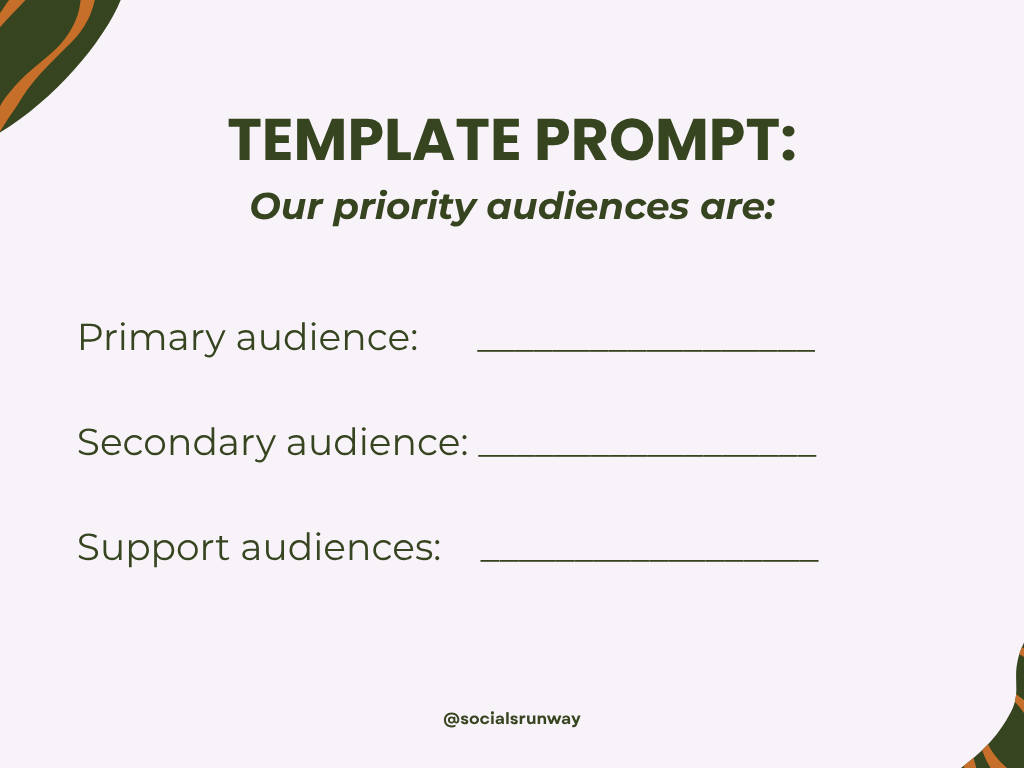
3. Choose Your Content Pillars
Content pillars are recurring themes you can rotate.
This makes planning easier.
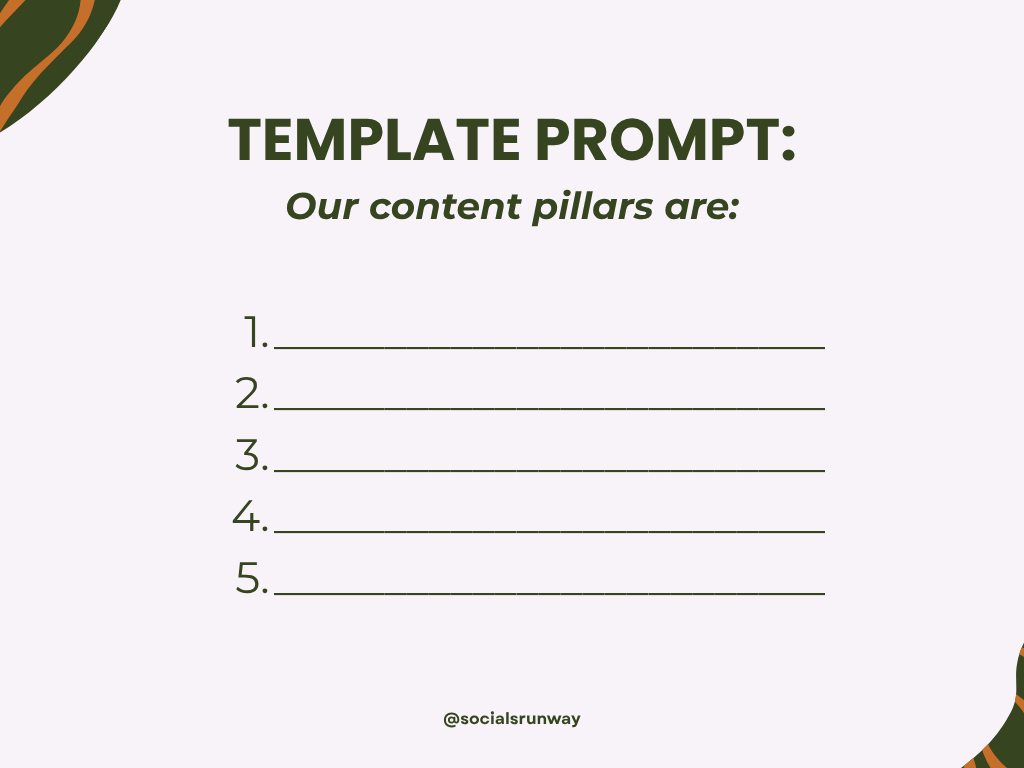
A simple structure for nonprofit marketing often includes 4–5 pillars.
Example Content Pillars
Mission Impact
Stories showing change your organization creates.
Education
Helpful resources related to your cause.
Community
Volunteer stories, partnerships, events.
Fundraising
Campaign storytelling and donor invitations.
Behind the Scenes
Human moments from your team and work.
These pillars can support your blog, email, website, and nonprofit social media management.
4. Build a Simple Content Rhythm
Consistency matters more than volume.
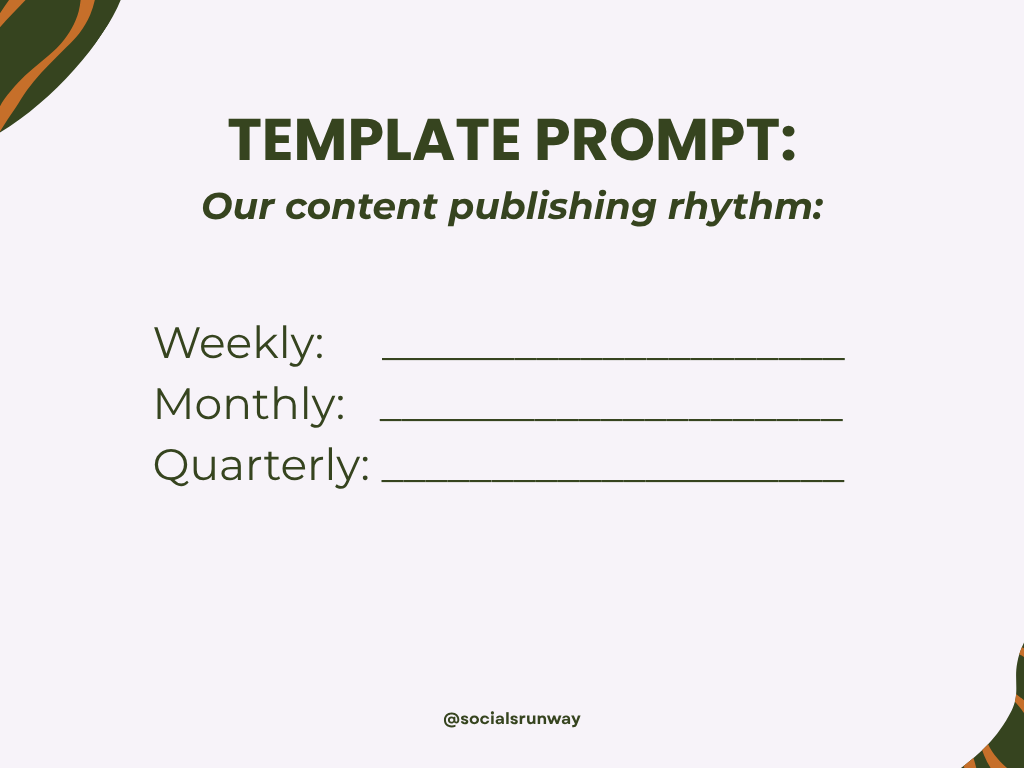
Create a realistic rhythm your team can sustain.
Example:
Weekly:
2 social posts
1 email touchpoint
Monthly:
1 impact story
1 fundraising campaign focus
1 blog article
Quarterly:
Campaign planning review
Content performance review
Simple rhythms reduce decision fatigue.
And make content repeatable.
5. Plan a Basic Content Calendar
Turn strategy into execution.
Map out monthly themes.
Example:
January — Donor gratitude
February — Program storytelling
March — Community partnerships
April — Volunteer engagement
One monthly theme can guide content across channels.
This is one reason many experienced nonprofit marketing agencies emphasize calendar planning.
It simplifies everything.
How to Use This Template Across Channels
A strong content strategy should support all major channels.
Website
Use content to support strong nonprofit website design through:
Updated stories
Resource content
Donor-focused messaging
Use strategy to guide:
Donor nurture emails
Campaign communication
Monthly updates
Social Media
Use your pillars and calendar to strengthen nonprofit digital marketing consistency.
One strategy can support all channels together.
That is where efficiency grows.
Simple Content Planning Workflow for Small Teams
Here is a practical workflow:
Once Per Quarter
Review goals and plan themes.
Once Per Month
Plan content calendar.
Once Per Week
Batch create or schedule content.
Simple system.
Low stress.
Sustainable.
Content Ideas to Include in Your Strategy
As you build your calendar, rotate content like:
Impact stories
Educational posts
Donor appreciation
Volunteer stories
Campaign storytelling
Community highlights
Frequently asked questions
A mix keeps content engaging.
What Small Teams Should Avoid
Trying to Be Everywhere
Focus on channels you can sustain.
Overcomplicating Strategy
Simple systems often outperform complicated plans.
Creating Content Without Fundraising Alignment
Content should support donor relationships.
Starting From Scratch Every Month
Reuse what works.
Repurposing saves time.
Many nonprofit marketing companies use this intentionally.
A Starter Nonprofit Content Strategy Checklist
Use this quick checklist:
✔ Content goals defined
✔ Priority audiences identified
✔ Content pillars chosen
✔ Publishing rhythm created
✔ Monthly themes planned
✔ Basic content calendar built
✔ Review process in place
That is a strong foundation.
When Outside Support Can Help
Sometimes small teams need support building stronger systems.
Experienced nonprofit marketing agencies can often help with:
Content strategy development
Editorial calendars
Messaging systems
Social media management
Website content strategy
Sometimes a simple outside framework saves months of trial and error.
Final Thoughts
A strong nonprofit content strategy does not have to be complicated to be effective.
For small teams, simple systems often work best.
Clarity beats complexity.
Consistency beats volume.
And a practical strategy can save time while supporting stronger donor engagement.
Start with a simple template.
Adapt it to your mission.
Build from there.
If you’re a nonprofit leader looking for help with content strategy, social media, or digital infrastructure, we’d love to support you. You can book a free consultation call with Katch or the Socials Runway team to talk through your goals and see if we may be the right fit for your mission.